



Safety tapes
are versatile tools used to enhance workplace safety by visually communicating hazards and guiding personnel. They come in various types, each serving a specific purpose: More
1. Caution Tape:
- Purpose: To warn of potential hazards or restricted areas.
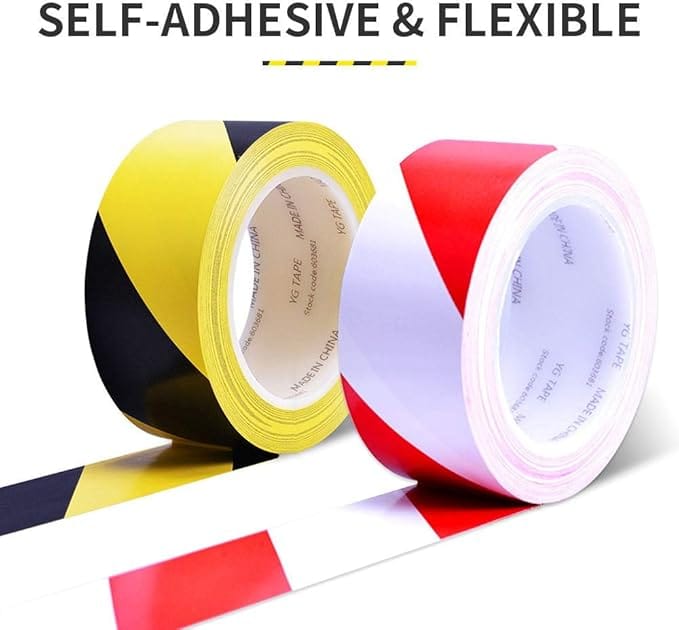
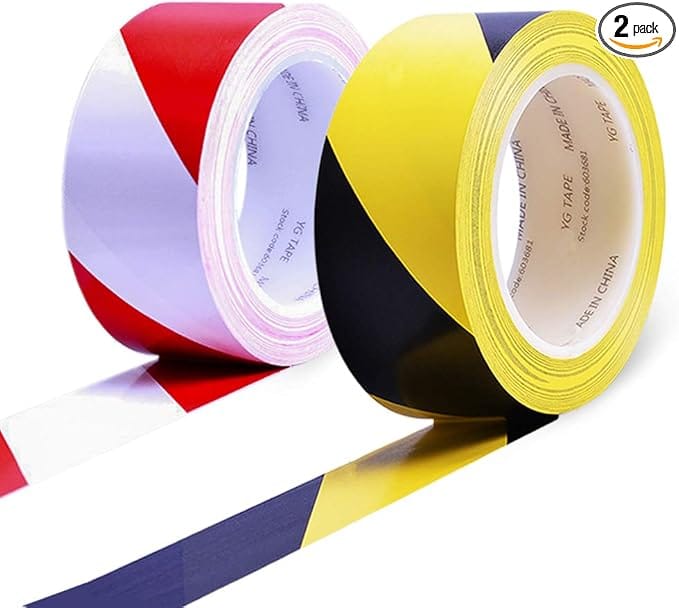
- Appearance: Typically yellow and black striped, or red and white striped, with the word “Caution” printed on it.
- Uses:
- Marking off hazardous areas in construction sites.
- Delimiting restricted areas in warehouses or laboratories.
- Temporarily cordoning off spill zones.

2. Floor Marking Tape:
- Purpose: To guide pedestrian traffic, delineate work zones, and improve warehouse organization.
- Appearance: Available in various colors (yellow, green, blue, red) and widths.
- Uses:
- Creating pedestrian walkways in busy areas.
- Marking out storage zones in warehouses.
- Guiding traffic flow in industrial settings.
3. Anti-Slip Tape:
- Purpose: To improve traction on slippery surfaces, preventing slips and falls.
- Appearance: Often black with abrasive grit embedded in it.
- Uses:
- Applying to stair treads, ramps, and walkways in high-traffic areas.
- Enhancing the grip on ladders and platforms.
4. Reflective Safety tapes:
- Purpose: To enhance visibility in low-light conditions.
- Appearance: Silver or white with a reflective surface.
- Uses:
- Marking vehicles, equipment, and barriers for better visibility at night.
- Improving the visibility of safety signs and markings.
5. Electrical Tape:
- Purpose: To insulate electrical wires and connections.
- Appearance: Typically black, but also available in other colors.
- Uses:
- Securing wire splices and connections.
- Providing temporary insulation for electrical wires.
Key Considerations When Using Safety Tapes:
- Choose the right type of tape: Select the tape that best suits the specific hazard or application.
- Apply the tape correctly: Ensure proper adhesion and visibility.
- Inspect regularly: Replace worn or damaged tape promptly.
- Comply with safety regulations: Adhere to local and industry-specific safety guidelines.


Reviews
There are no reviews yet