

-21%

0%

INGCO Sucker 50KG
Original price was: KSh 3000.KSh 2550Current price is: KSh 2550.
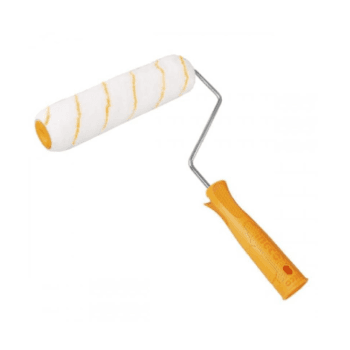
INGCO Cylinder brush (Inner wall)
Original price was: KSh 1500.KSh 1150Current price is: KSh 1150.
INGCO Bench planer 250mm
Original price was: KSh 7000.KSh 5500Current price is: KSh 5500.
| No.4# bench planer Heavy duty and ultra-high precision Length:250mm Plane body material:cast-iron With 2pcs T12 Steel blades Product net.weight:1.7kg Planing width:50mm Lade thickness:1.8mm Adjustment plate: brass The bottom of the iron dig for polishing treatment Fully machined and polished double-iron cutter and lever frog seat is machined for precise mouth adjustmentCutter adjusts for depth and alignment, offering precise control Solid brass cutter-adjustment knob Packed by color box |
Description
A bench planer
is a power tool used in woodworking to smooth and flatten the surface of a piece of wood. It’s a valuable tool for creating precise and uniform surfaces for projects like cabinetry, furniture making, and more. More
Key Features:
- Two Rotating Blades: The planer has two rotating blades that shave off a thin layer of wood as the workpiece is fed through the machine.
- Adjustable Depth of Cut: The depth of the cut can be adjusted to control how much material is removed.
- Infeed and Outfeed Tables: These tables support the workpiece as it enters and exits the planer, ensuring a smooth and even cut.
- Dust Collection Port: Many bench planers have a dust collection port to connect to a vacuum or dust collector, keeping your workspace clean.
How it Works:
- Power On: Turn on the planer and wait for the blades to reach full speed.
- Feed the Wood: Push the workpiece through the planer, ensuring it’s in contact with both the infeed and outfeed tables.
- Adjust Depth of Cut: Adjust the depth of cut as needed to achieve the desired thickness or smoothness.
- Collect Dust: If equipped with a dust collection port, connect it to a vacuum or dust collector to remove wood shavings.
Common Uses:
- Smoothing Rough Lumber: Removing saw marks, planer marks, and other imperfections from rough-cut lumber.
- Creating Even Thickness: Ensuring that boards are the same thickness for consistent joinery.
- Preparing Wood for Finishing: Creating a smooth surface for applying finishes like paint, stain, or varnish.
- Resurfacing Warped Wood: Correcting minor warping or cupping in wood.
Safety Considerations:
- Wear Safety Gear: Always wear safety glasses and hearing protection when using a bench planer.
- Keep Hands Clear: Keep your hands away from the blades at all times.
- Feed Wood Slowly and Steadily: Avoid feeding the wood too quickly or erratically.
- Disconnect Power Before Cleaning or Adjusting: Turn off the planer and unplug it before performing any maintenance or adjustments.
Reviews (0)
Related products

Cylinder brush(Inner wall) Size:230mm/9″
Original price was: KSh 2000.KSh 1299Current price is: KSh 1299. Buy via WhatsApp

Ingco Carbon Steel Machinist Hammer 2000 g
Original price was: KSh 1900.KSh 1850Current price is: KSh 1850. Buy via WhatsApp
INGCO 7 Pcs insulated nut screwdriver set
Original price was: KSh 9000.KSh 7999Current price is: KSh 7999. Buy via WhatsApp
INGCO Mini hacksaw frame Size:150mm(6″)
Original price was: KSh 1000.KSh 799Current price is: KSh 799. Buy via WhatsApp
INGCO Steel measuring tape 8mx25mm
Original price was: KSh 3000.KSh 1750Current price is: KSh 1750. Buy via WhatsApp
Ingco Trowel Bricklaying 180Mm
Original price was: KSh 900.KSh 800Current price is: KSh 800. Buy via WhatsApp


Reviews
There are no reviews yet.