

-7%

0%
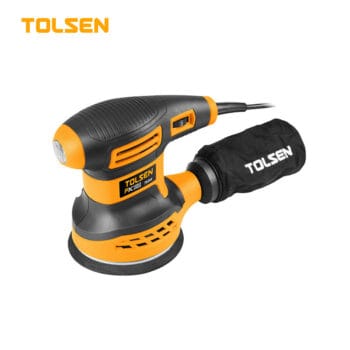
Tolsen RANDOM ORBITAL SANDER 125MM/ 280W
Original price was: KSh 7000.KSh 5999Current price is: KSh 5999.
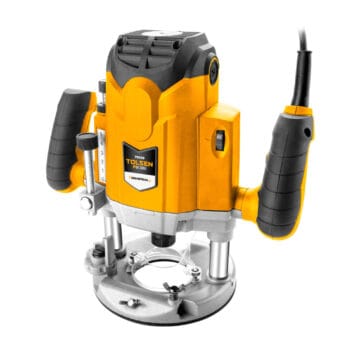
Tolsen ELECTRIC ROUTER 2100W
Original price was: KSh 20000.KSh 16500Current price is: KSh 16500.
Tolsen JIGSAW 800W 79551
Original price was: KSh 8000.KSh 7450Current price is: KSh 7450.
CE approved
• Rated voltage: 220-240V
• Frequency: 50/60Hz
• Input power: 800W
• Cutting speed: 800-3200/min
• Stroke Length: 20mm
• Max in steel: 8mm
• Max in wood: 80mm
• Footplate tilt: 0-45°, left or right
• Plug & cable: VDE approved
• Blade type: T-shank
• Accessories contain::
1pc dust adapter
1pc hex key
1pc blade for wood
1pc parallel guide
• Packing: BMC box
Description
A jigsaw
is a power tool used for making intricate and curved cuts in wood and other materials. It features a narrow blade that moves up and down with a reciprocating motion, allowing for precise cuts in various shapes and sizes. More
Key Features:
- Reciprocating Blade: The blade moves up and down, creating a sawing action.
- Orbital Action: Some jigsaws have an orbital action that adds a slight side-to-side motion to the blade, improving cutting speed and preventing the blade from binding.
- Variable Speed: Most jigsaws have variable speed controls to adjust the cutting speed for different materials and applications.
- Footplate: A base plate that supports the jigsaw and guides the blade.
- Dust Blower: Many jigsaws have a built-in dust blower to remove sawdust from the cutting line, improving visibility.
Common Uses:
- Intricate Cuts: Cutting curves, circles, and other intricate shapes in wood.
- Interior Cutouts: Cutting holes for electrical outlets, plumbing fixtures, and other installations.
- Scroll Sawing: Creating intricate designs and decorative patterns.
- Cutting Curves in Thin Materials: Cutting curves in plywood, plastic, and other thin materials.
Advantages:
- Versatility: Capable of making a wide variety of cuts.
- Precision: Allows for accurate and intricate cuts.
- Maneuverability: Easy to maneuver in tight spaces.
- Dust Collection: Reduces dust and improves air quality.
Safety Considerations:
- Wear Safety Gear: Always wear safety glasses and hearing protection when using a jigsaw.
- Use the Correct Blade: Select the appropriate blade for the material being cut.
- Maintain a Firm Grip: Hold the jigsaw securely to prevent kickback.
- Avoid Excessive Pressure: Let the blade do the work.
- Inspect it Regularly: Check for any damage or wear and tear.
Reviews (0)


Reviews
There are no reviews yet